# Why Are Glued-Face Fur Toys So Popular? Customization Guide and Tips to Avoid Pitfalls
- Share
- Issue Time
- Aug 14,2026
Summary
In-depth Analysis of Gel-Like Fur Rolly-Polies: Customization Process and Pitfall Avoidance Guide
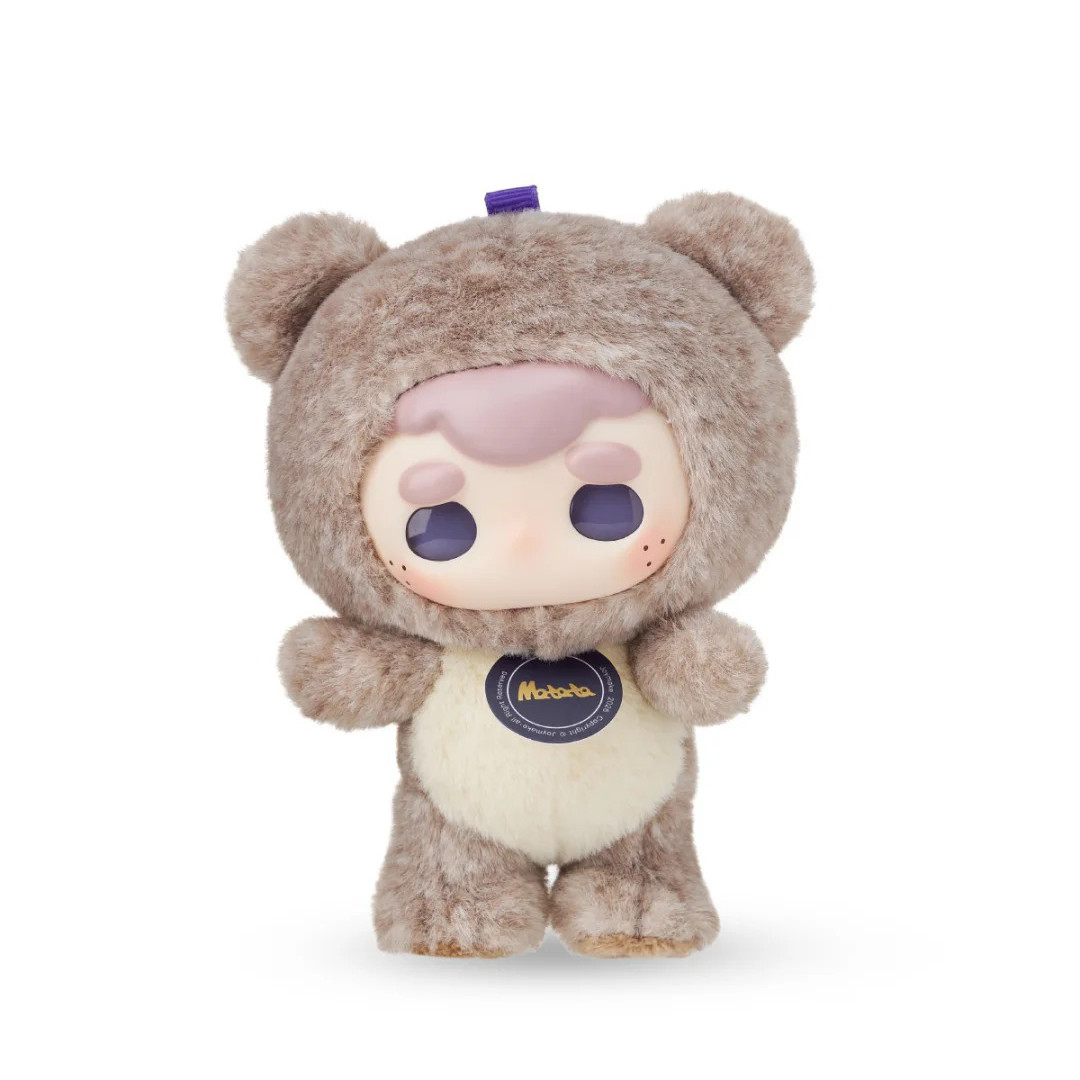
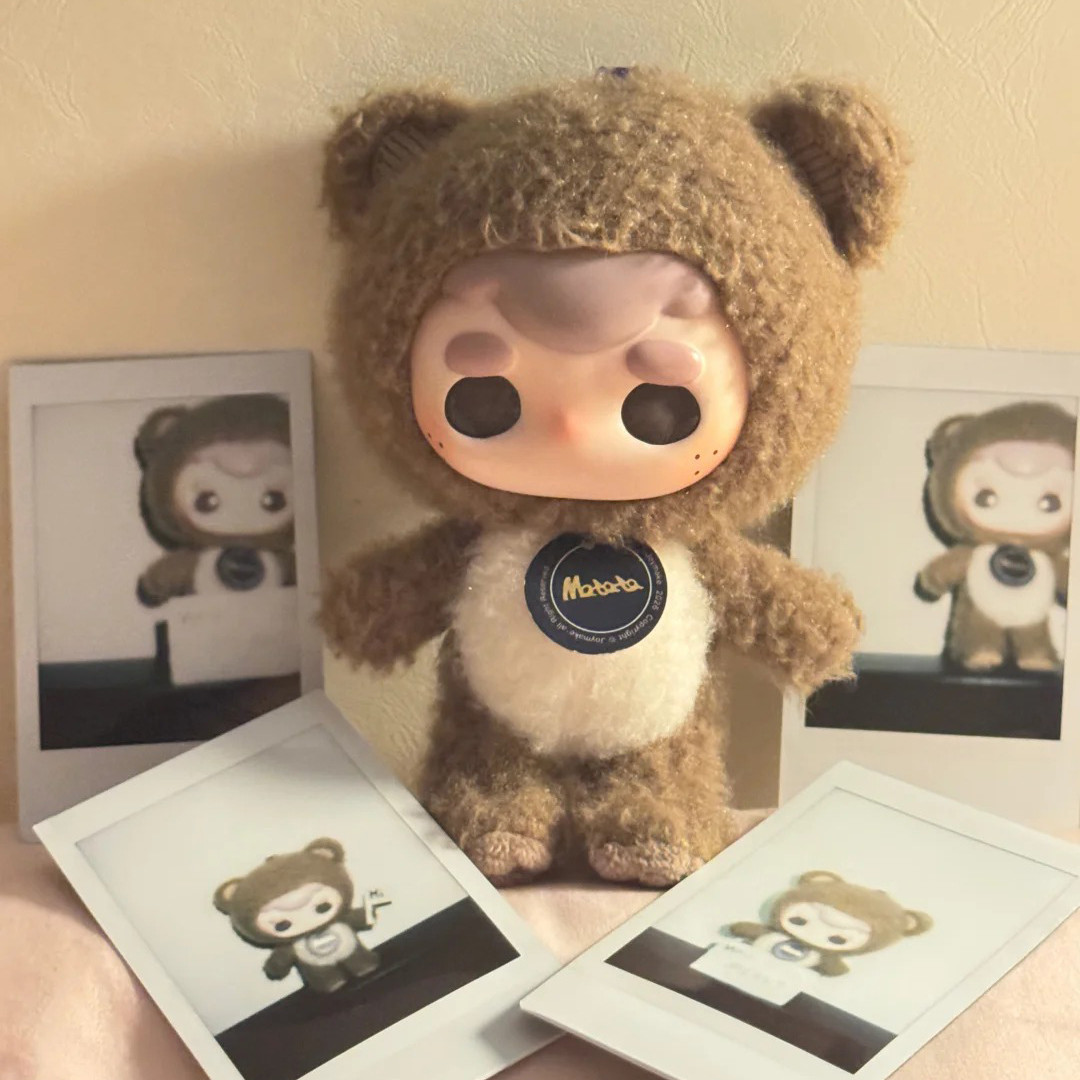
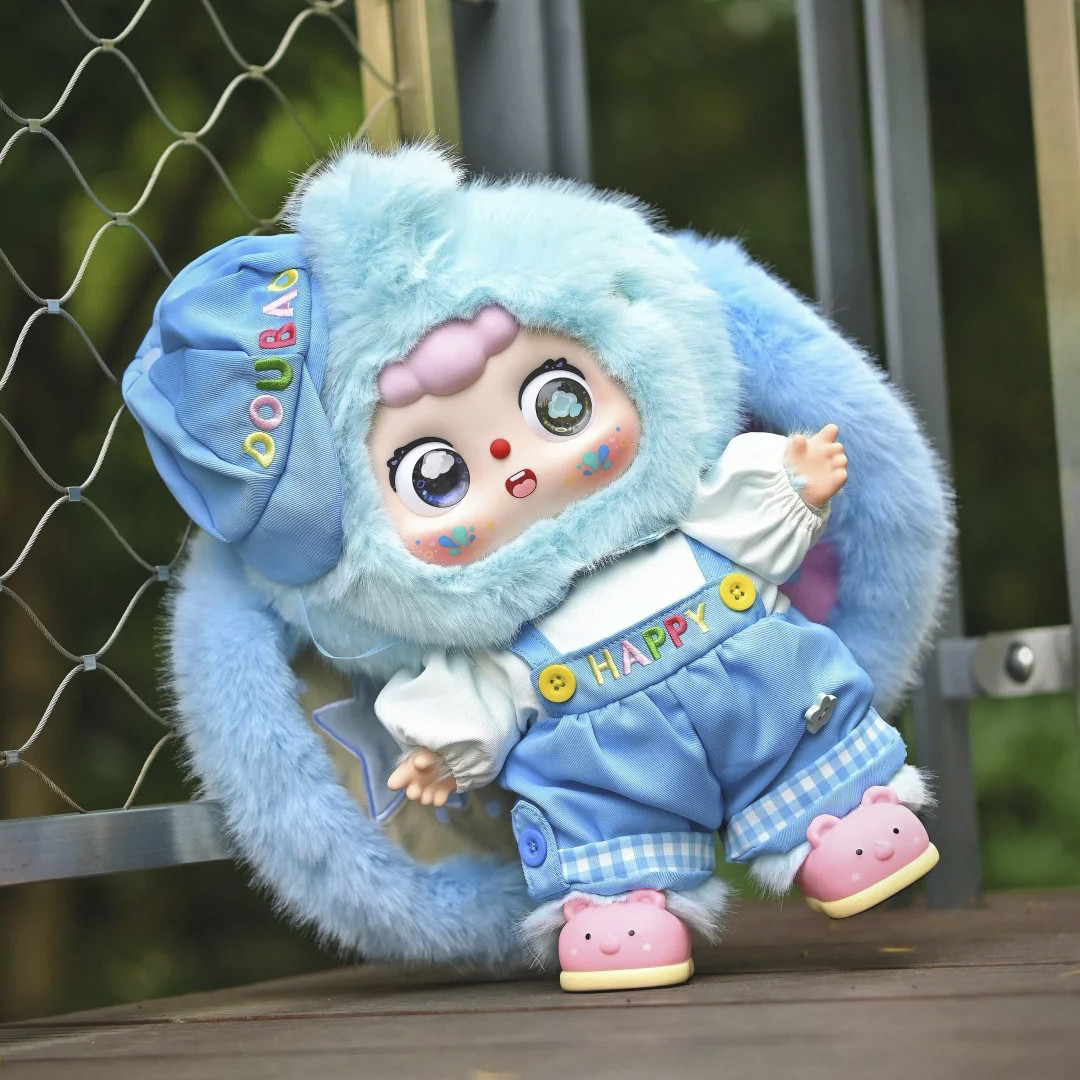
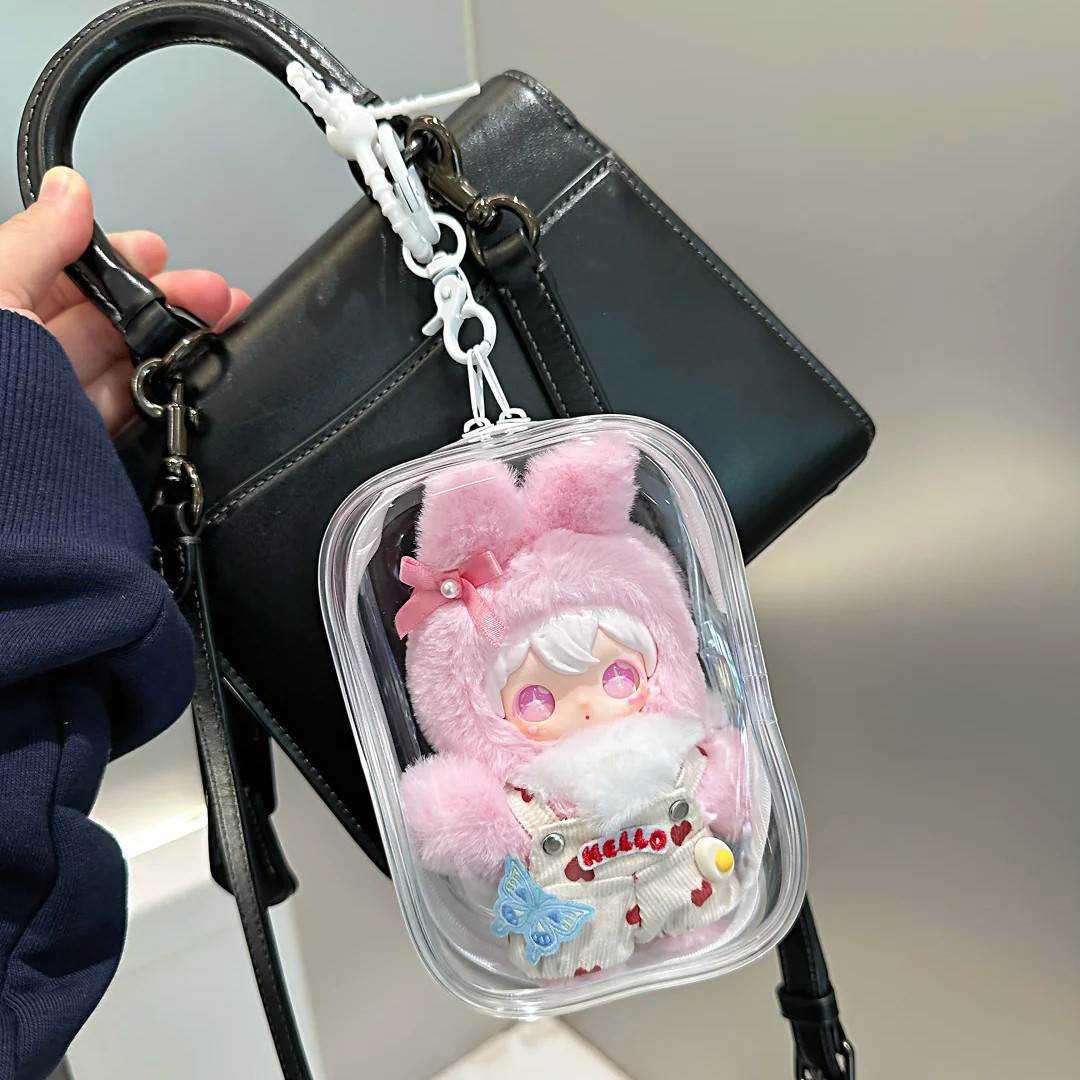
If you follow the trends in figurines and plush toys, you must have noticed a phenomenon: glued-face plush toys are sweeping the market. From blind box figurines to brand collaborations, each exquisite plastic face paired with a soft plush body makes these products a new favorite among young people. For independent store sellers and brands, glued-face plush toys are not only a traffic secret but also a profit weapon. Today, this article will help you understand what makes them so good, how to customize them, and how to avoid pitfalls.
I. What Are Glued-Face Plush Toys?
Glued-face plush toys, also known as PVC or plastic-coated face plush figures, are characterized by their plastic faces made using PVC or plastic-coating techniques, with detailed and lifelike features, while the body and limbs use short plush or crystal ultra-soft fillers. This combination of "hard face + soft body" caters to both the exquisite nature of figurines and the comforting nature of plush toys, representing an upgraded form of traditional pure plush toys.
II. Why Can They Become a Hit?
Glued-face plush toys have three core advantages:
1. High level of appearance: The plastic face can create detailed makeup, blush, and expressions, far surpassing ordinary embroidery faces, and have a high photo-shoot success rate, naturally suitable for social media dissemination.
2. Strong price increase potential: Compared to ordinary plush figures, glued-face models can have a 30%–80% higher average selling price, with a larger profit margin.
3. High IP fidelity: The facial features of anime characters, trendy toy IPs, and brand mascots can be highly replicated using glued-face technology, making them more acceptable to fans.
III. Key Process for Customizing Glued-Face Plush Toys
1. Image Design and 3D Modeling: The face needs to be separately molded, and the design draft should indicate the size and color of the features.
2. Face Mold Prototyping: Through plastic-coating or injection molding techniques, a face sample is made to confirm the expression and color.
3. Body Prototyping: Simultaneously make the plush body to test the overall proportion and feel.
4. Assembly Confirmation: After combining the face and body, check the fit, strength, and overall effect.
5. Mass Production and Quality Inspection: Focus on checking the paint finish of the face, alignment of features, stitching, and filling.
IV. The Most Common Pitfalls When Customizing
- Only looking at the price without considering the mold: The quality of the face mold directly determines the appearance level of the finished product. Low-cost molds often have blurry details.
- Ignoring paint safety: Export orders must confirm that the paint meets environmental protection standards to avoid color fading and harmful substances.
- Imbalanced body proportions: Glued faces are heavier, and if the body filling is insufficient, the figurine will have a "head-heavy" problem and be unable to stand.
As a professional plush toy manufacturer specializing in customization, nianbeast has mature experience in mold creation, prototyping, and mass production in glued-face plush toys. From 3D modeling of IP images, plastic-coated face production to the sewing of the plush body, nianbeast provides one-stop customization services, supporting small-batch trial orders and large-scale production, helping independent store sellers and brands turn their creativity into marketable.